
Thermal Barriers That Stop Heat Transfer
Attic insulation in Austin for homes where upper floors stay hot and cooling costs remain high
Attic spaces in Austin homes can reach temperatures exceeding 150 degrees during summer months, and without adequate insulation, that heat radiates directly into living spaces below, forcing air conditioning systems to run continuously. ET Insulation upgrades attic insulation using spray foam, fiberglass, and blown-in materials that create effective thermal barriers between superheated attic air and conditioned living areas. Homeowners dealing with second-floor rooms that never cool down, HVAC systems that cycle constantly, or utility bills that spike during peak summer months need attic insulation that actually resists the intense heat load characteristic of Central Texas rooflines.
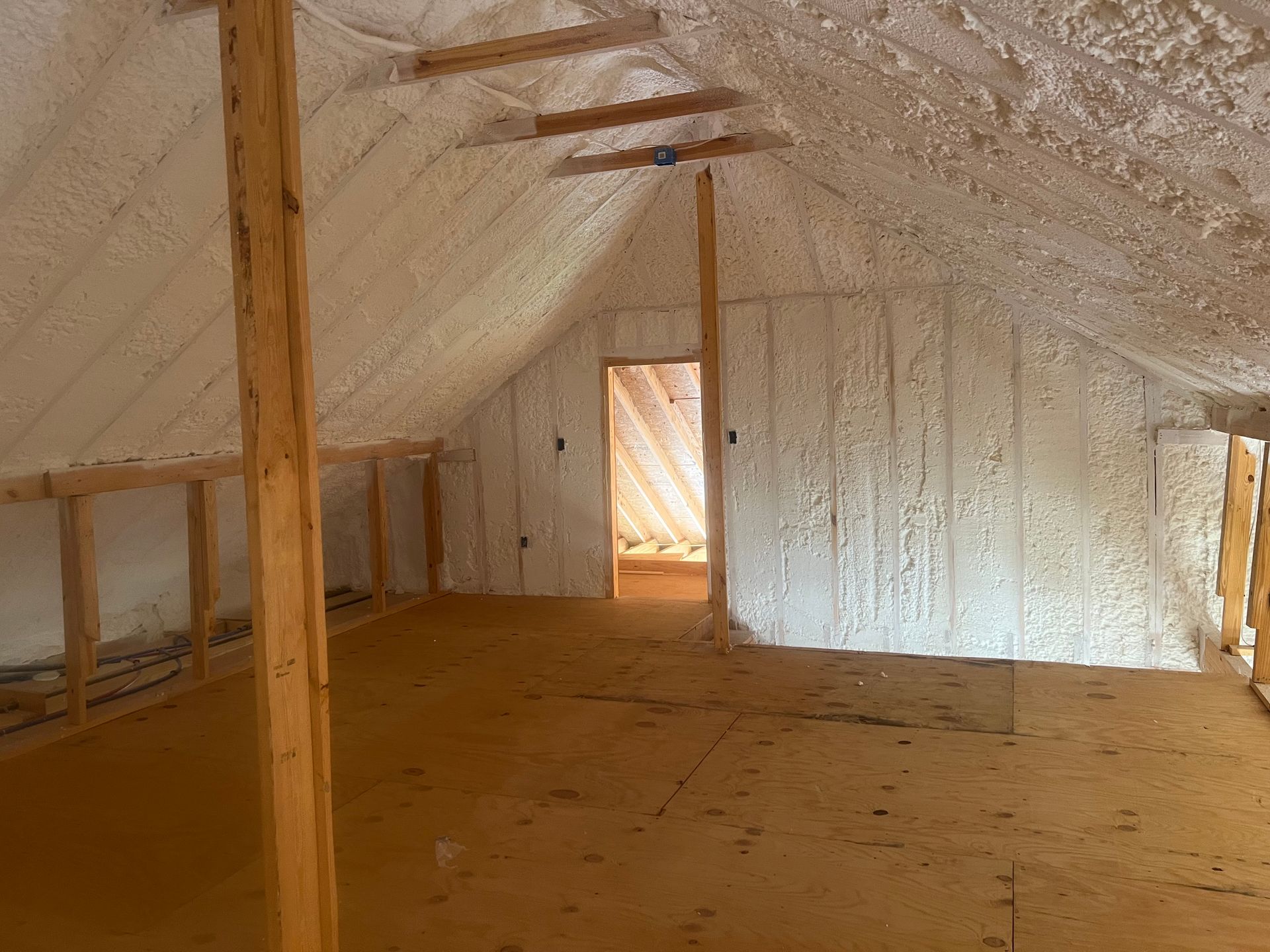
Attic insulation projects involve assessing current R-values, checking for air leakage around penetrations like recessed lights and attic access points, and determining whether existing material has settled or deteriorated to the point where it no longer provides meaningful resistance. Spray foam applied to the underside of the roof deck turns the attic into conditioned space, which protects HVAC ductwork from extreme temperatures and eliminates the temperature differential that drives heat into living areas. Blown fiberglass or cellulose added to attic floors increases R-value without altering ventilation patterns, making it appropriate when roof venting and soffits need to remain functional.
Schedule an attic insulation estimate to determine how much thermal resistance your home currently has and what upgrade would produce the most noticeable improvement.
What You Notice Once Attic Insulation Is Finished
Attic upgrades begin with removing old insulation if it's contaminated, compressed, or blocking proper ventilation, then air sealing gaps around plumbing stacks, electrical wires, and top plates before applying new material. Spray foam installations require mixing two-part chemicals on-site and applying them in controlled layers that expand to fill cavities and create seamless coverage, while blown insulation uses pneumatic equipment to distribute loose fiberglass or cellulose evenly across attic floors to specified depths. The installation method depends on whether you want the attic to become part of the conditioned space or remain a vented buffer zone above the living area.
After the attic is properly insulated, second-floor rooms maintain temperatures that match the thermostat setting instead of running several degrees warmer throughout the afternoon. Air conditioning systems cycle less frequently because they're no longer fighting heat radiating downward from an uninsulated attic, which translates to lower monthly utility bills and longer equipment lifespan. Rooms that previously felt stuffy or required fans for circulation become comfortable with standard airflow because the thermal load on the space is reduced.
Attic ventilation must be evaluated alongside insulation upgrades because inadequate airflow in vented attics can trap heat and moisture, reducing insulation effectiveness and potentially shortening roof shingle lifespan. Encapsulated attics with spray foam eliminate the need for soffit and ridge vents but require HVAC systems to condition that space, which changes the design approach and material selection for the project.
Common Questions About This Service
Homeowners considering attic insulation work often want to understand what the project involves and how different approaches affect performance and cost.
What causes attic insulation to lose effectiveness over time?
Fiberglass batts compress under their own weight or from foot traffic during attic access, which reduces the air pockets that provide thermal resistance. Blown insulation settles gradually, and any material exposed to moisture from roof leaks or condensation loses R-value until it dries completely, which may not happen in a sealed attic environment.
How does spray foam attic insulation differ from blown fiberglass?
Spray foam is applied to the underside of the roof deck, turning the attic into conditioned space and eliminating temperature extremes that affect ductwork and stored items. Blown fiberglass is installed on the attic floor, maintaining the attic as a vented buffer zone while increasing thermal resistance between the attic and living space below.
When should I remove old attic insulation before adding new material?
Removal is necessary when existing insulation is damaged by water, contaminated by pests, or compressed to the point where it provides minimal thermal benefit. Adding new insulation over compromised material traps contaminants and reduces the effectiveness of the upgrade because the damaged layer disrupts heat flow resistance.
What R-value is recommended for attic insulation in Austin?
Building codes in Central Texas typically require R-30 to R-38 for attic floor insulation, though higher values improve energy performance in homes with high cooling loads. The appropriate R-value depends on your home's HVAC capacity, ductwork location, and how much temperature variation you currently experience in upper-floor rooms.
How does attic insulation affect HVAC performance and equipment lifespan?
Proper attic insulation reduces the thermal load on your air conditioning system, which means it runs fewer hours per day to maintain setpoint temperatures. Shorter runtime reduces wear on compressors and blower motors, extends the time between service intervals, and lowers the likelihood of mid-summer breakdowns caused by overworked equipment.
ET Insulation evaluates attic spaces throughout Austin to identify where heat transfer is occurring and which insulation approach will deliver measurable comfort and efficiency improvements. Arrange a property assessment to review your attic's current condition and discuss material options based on your home's specific layout and performance goals.