
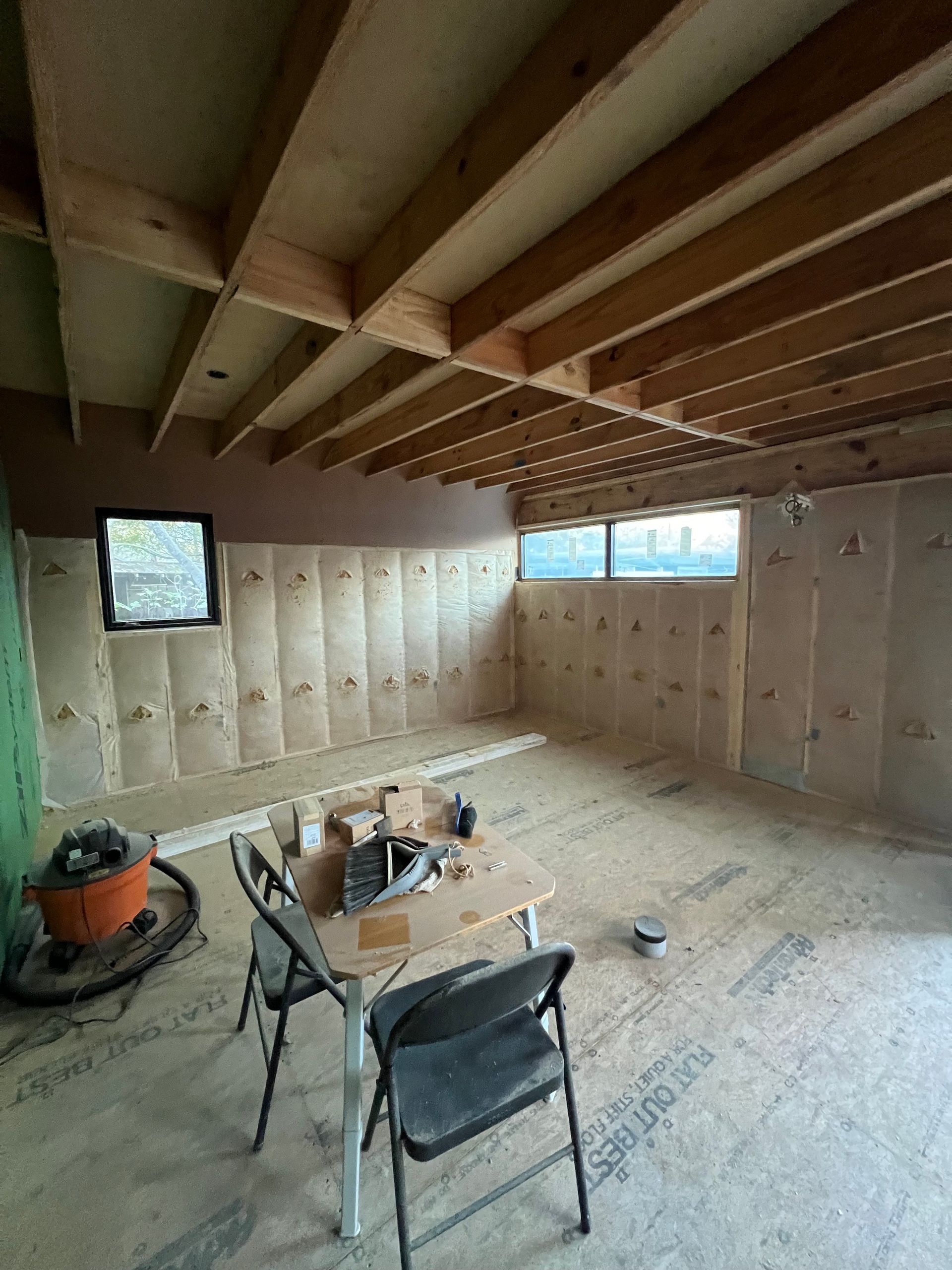
Insulation That Actually Solves Year-Round Comfort Issues
Residential insulation in Austin for homes with uneven temperatures and climbing energy costs
ET Insulation designs residential insulation systems that address the specific thermal performance challenges found in Austin-area homes, where intense summer heat and variable winter conditions create constant demands on HVAC systems. Homes built before updated energy codes often lack sufficient attic coverage or have settling fiberglass that no longer provides adequate resistance to heat transfer. The service applies to existing homes experiencing high utility bills, new construction requiring code-compliant installation, and remodels where wall cavities and attic spaces become accessible for upgrades.
Residential insulation involves evaluating current thermal barriers, identifying areas where conditioned air escapes or outside temperatures penetrate, and installing materials that create consistent resistance throughout the building envelope. Austin's climate means attic temperatures can exceed 150 degrees in summer, and without proper insulation, that heat radiates directly into living spaces below. The process includes removing old or damaged material when necessary, air sealing gaps that allow infiltration, and applying spray foam, fiberglass, or rock wool based on the specific area being treated and the performance goals for that space.
Schedule a property evaluation to identify where your home is losing conditioned air and which insulation approach addresses those specific gaps.
How Proper Insulation Changes Daily Living Conditions
Residential insulation projects begin with measuring existing R-values, checking for air leakage paths around penetrations and unsealed joints, and determining whether moisture barriers are intact in crawl spaces or attics. Spray foam applications create both an air seal and thermal barrier simultaneously, while fiberglass and rock wool installations require separate air sealing steps to prevent convective loops that reduce effectiveness. The installation method depends on whether you're working with open framing during construction or retrofitting insulation into finished spaces through attic access points.
After installation, rooms that previously felt stuffy in summer or drafty in winter maintain more consistent temperatures without constant thermostat adjustments. HVAC systems cycle less frequently because conditioned air stays inside the envelope instead of escaping through poorly insulated ceilings, walls, or floors. You'll notice reduced noise transmission from outside, fewer hot or cold spots in specific rooms, and lower monthly energy bills that reflect the decreased runtime needed to maintain comfort levels.
Crawl space encapsulation and attic upgrades are often completed within the same project when assessments reveal that inadequate coverage in multiple areas contributes to the same comfort problems. Adding insulation to one area without addressing adjacent gaps can redirect airflow to unprotected zones and limit overall improvement, which is why whole-home evaluations guide material selection and installation sequencing.
What Homeowners Ask About Insulation Upgrades
Homeowners preparing for insulation work often want to understand what the process involves and how different materials perform in Central Texas conditions.
What determines which insulation material works best for my home?
The decision depends on whether you need air sealing combined with thermal resistance, the accessibility of the space being insulated, and your budget for the project. Spray foam provides the highest R-value per inch and seals air leaks simultaneously, while fiberglass and rock wool offer cost-effective solutions when air sealing is completed separately.
How does attic insulation affect cooling costs during Austin summers?
Attic insulation reduces radiant heat transfer from roof decking into living spaces below, which means your air conditioning system works against outdoor temperatures rather than superheated attic air. Homes with insufficient attic coverage often see second-floor rooms that stay warmer than the thermostat setting because heat radiates downward faster than the HVAC system can remove it.
When should I consider removing old insulation before adding new material?
Removal becomes necessary when existing insulation is contaminated by rodent activity, damaged by water intrusion, or compressed to the point where it no longer provides meaningful thermal resistance. Adding new material on top of compromised insulation traps problems inside the building envelope and reduces the effectiveness of the upgrade.
What happens during a residential insulation evaluation?
ET Insulation inspects attic spaces, crawl areas, and accessible wall cavities to measure current R-values, identify air leakage points, check for moisture issues, and assess ventilation adequacy. The evaluation determines where thermal barriers are insufficient and which installation approach delivers the most improvement for your specific home layout and performance goals.
How does insulation improve comfort in rooms that feel drafty even when the heat is running?
Drafts occur when air leaks around windows, doors, electrical outlets, and structural joints allow outside air to infiltrate while conditioned air escapes through gaps in the building envelope. Insulation combined with air sealing eliminates these pathways, so heated or cooled air remains inside the living space instead of cycling continuously to compensate for losses.
ET Insulation works with homeowners throughout Austin to install insulation systems that address specific comfort and efficiency concerns identified during the property assessment. Request a detailed estimate based on your home's current insulation condition and the performance improvements you're looking to achieve.