
Thermal and Acoustic Performance Combined
Rock Wool in Austin for properties where fire resistance and sound control justify premium insulation materials
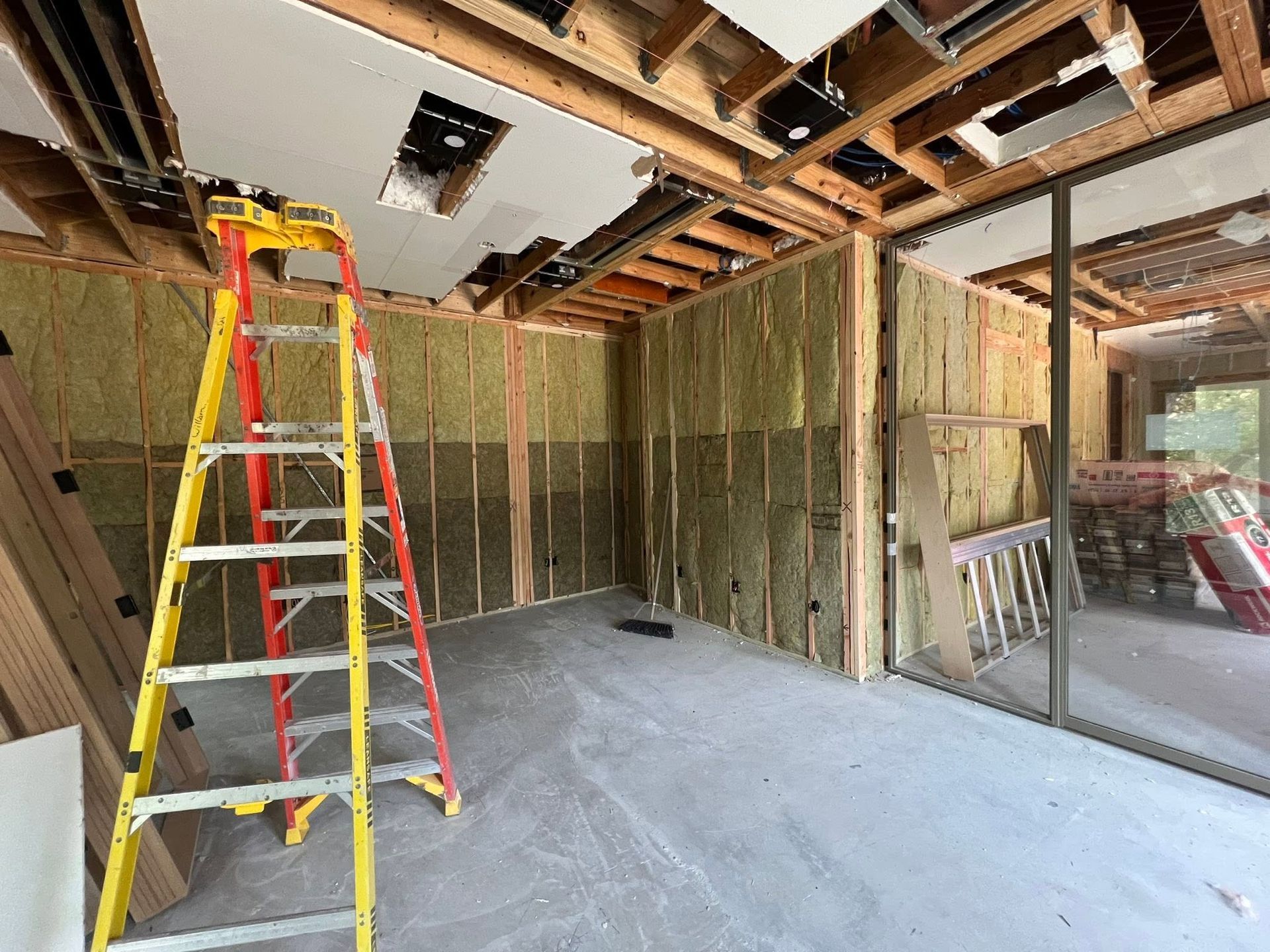
Rock wool insulation is manufactured by melting basalt rock and spinning it into fibers that form a dense, semi-rigid batt with higher acoustic and fire-resistant properties than fiberglass. You need this when sound transmission between rooms, fire-rated assemblies, or mechanical room noise becomes a design priority, or when building enclosure details require an insulation product that maintains its shape and density without settling. ET Insulation installs rock wool in Austin homes and commercial buildings where performance requirements extend beyond basic thermal resistance, including walls adjacent to home theaters, shared walls in multi-family construction, and spaces housing loud HVAC or water heating equipment.
The material is installed by friction-fitting semi-rigid batts into framing cavities, where the product's density and stiffness hold it in place without fasteners or netting. Rock wool does not absorb moisture the way organic materials do, so it resists mold growth and maintains its R-value even in high-humidity conditions. Fire resistance comes from the mineral composition—rock wool does not combust and can withstand temperatures exceeding 2,000 degrees Fahrenheit, which makes it the specified insulation in fire-rated wall and floor assemblies where building codes require specific flame-spread ratings.
Arrange a project review to evaluate whether rock wool's combined thermal, acoustic, and fire-resistant properties fit your building requirements.
What Rock Wool Actually Accomplishes
Installation requires cutting the batts to fit cavity dimensions using a serrated blade or insulation saw, and because the material is denser than fiberglass, it absorbs more sound energy across a wider range of frequencies. The product's semi-rigid structure means it maintains full contact with framing members without sagging, and the higher density per cubic foot results in better Sound Transmission Class ratings for walls between living spaces or commercial tenant separations.
After installation, you notice that airborne noise from conversations, televisions, or plumbing systems becomes significantly less audible in adjacent rooms. The insulation maintains its installed thickness over time without compressing or pulling away from framing, which keeps thermal performance consistent. In walls separating conditioned space from garages or mechanical rooms, rock wool prevents temperature transfer while dampening equipment noise, and in fire-rated assemblies, the material contributes to the wall or floor's ability to resist fire spread for the rated time period.
ET Insulation recommends rock wool when project specifications call for enhanced sound control, fire-rated construction, or insulation that resists moisture and mold. The service includes product selection based on required R-values and STC ratings, precise cutting to ensure full cavity fill, and verification that the installation meets both energy code and fire safety requirements. Rock wool is also used in retrofit applications where walls are opened for remodeling and the opportunity exists to upgrade both thermal and acoustic performance simultaneously.
What Builders and Homeowners Usually Ask
Rock wool projects involve material costs and performance characteristics that differ from standard fiberglass installations and require clear technical explanations.
What makes rock wool more effective at reducing sound transmission than fiberglass?
Rock wool's higher density and semi-rigid structure absorb more sound energy across mid and low frequencies, and the material's fiber orientation disrupts sound waves more effectively than the lighter, more open structure of fiberglass batts, which is why it achieves higher STC ratings in the same wall thickness.
How does rock wool perform in Austin's climate where moisture and humidity affect building materials?
Rock wool is hydrophobic and does not retain water, so it resists mold growth and maintains its thermal and acoustic properties even when exposed to high humidity, and the material dries quickly if it contacts water during construction before the building is enclosed.
What applications in residential construction benefit most from rock wool insulation?
Interior walls between bedrooms and bathrooms, walls surrounding home theaters or music rooms, floors between living levels in multi-story homes, and walls adjacent to mechanical equipment rooms all benefit from rock wool's sound-dampening properties, while garage walls and fire-rated assemblies take advantage of its fire resistance.
Why does rock wool cost more than fiberglass, and when does the investment make sense?
The manufacturing process and higher material density make rock wool more expensive per square foot, but the investment is justified when sound control is critical, when fire-rated construction is required by code, or when the building design prioritizes long-term performance and durability over initial material costs.
What installation details ensure rock wool performs as intended in walls and ceilings?
Batts must be cut to fit each cavity precisely without compression or gaps, the material should friction-fit tightly against framing members on all sides, and any penetrations for electrical boxes or plumbing must be sealed with acoustical caulk to prevent sound flanking paths that bypass the insulation.
ET Insulation evaluates each project to determine whether rock wool's performance characteristics align with the building's acoustic, thermal, and fire safety goals. Contact us to discuss whether rock wool insulation is the right solution for your specific application and to receive a detailed estimate based on your property's design requirements.