
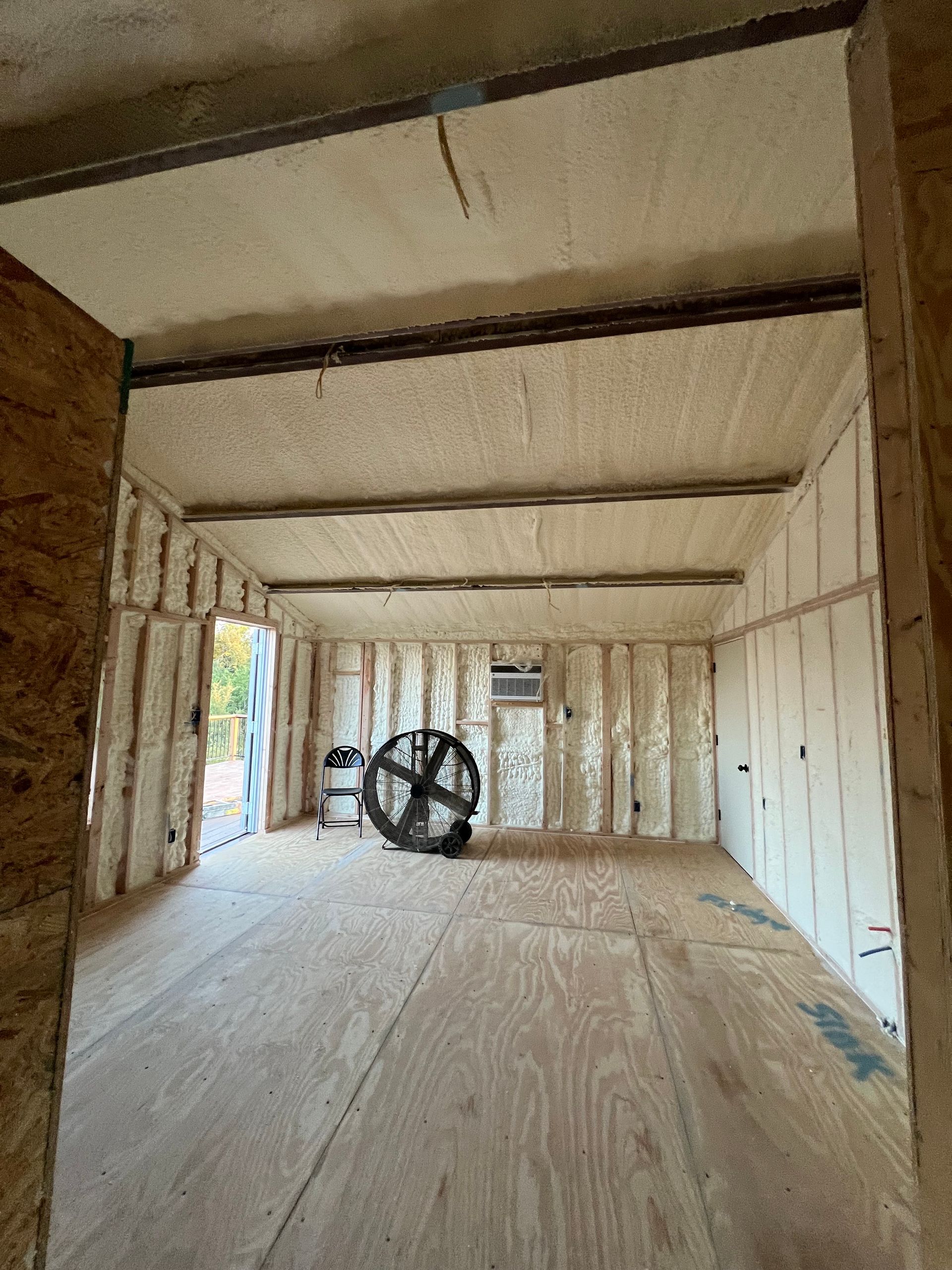
Removing Compromised Insulation Before It Costs More
Insulation Removal in Austin for homes with outdated or damaged insulation systems
Old insulation doesn't just lose effectiveness—it can trap moisture, harbor pests, and actively reduce the performance of newer materials installed over it. ET Insulation removes compromised insulation from residential and commercial properties throughout Austin, preparing spaces for modern, high-performance replacement materials. If your home shows signs of uneven temperatures, rising energy bills despite recent HVAC upgrades, or visible deterioration in attic spaces, removal of the existing insulation layer is often the necessary first step.
Insulation removal addresses the underlying problem when existing materials have become compressed, contaminated, or ineffective due to age, water intrusion, or pest activity. The process involves extracting old fiberglass batts, blown-in cellulose, or vermiculite insulation that no longer meets current thermal resistance standards or has degraded to the point where it interferes with proper ventilation and moisture control.
Schedule a property evaluation to identify specific insulation concerns and assess whether removal is necessary before installing replacement materials.
What Happens During Professional Insulation Extraction
The removal process begins with evaluating existing insulation conditions, checking for moisture damage, pest contamination, and compression that reduces R-value effectiveness. ET Insulation uses vacuum extraction equipment and containment barriers to remove old materials without dispersing dust or fibers throughout living spaces, a critical step in homes where insulation has been in place for decades and may contain settled particulates.
Once removal is complete, you'll notice cleaner attic spaces, improved air quality in upper floors, and a baseline that allows new insulation to perform as rated without interference from compressed or contaminated layers beneath. The difference becomes measurable when replacement insulation is installed—heating and cooling systems cycle less frequently, temperature variations between rooms decrease, and the building envelope functions as a cohesive thermal barrier rather than a patchwork of old and new materials.
Each project includes thorough cleanup, proper disposal of removed materials, and inspection of structural elements now visible after extraction. This step often reveals hidden issues such as air leaks around recessed lighting, gaps in framing, or ventilation obstructions that weren't accessible with the old insulation in place, allowing those problems to be corrected before new materials are installed.
Questions Before Starting Your Project
Homeowners preparing for insulation replacement often want to understand the removal process and what conditions require it.
What signs indicate that insulation removal is necessary before installing new material?
Visible mold or water staining, pest droppings embedded in insulation, compressed batts that have lost thickness, or uneven coverage with large gaps all suggest that removal provides better long-term results than simply adding new layers over compromised material.
How does the removal process prevent dust and debris from entering living spaces?
Containment barriers seal off work areas, and industrial vacuum systems capture removed insulation directly at the source, preventing fibers and particulates from migrating through ceiling penetrations or HVAC pathways into occupied rooms.
Why is removal often recommended for remodeling projects even if the existing insulation appears intact?
Remodeling frequently involves electrical work, HVAC modifications, or structural changes that require clear access to framing and utilities; removing insulation allows contractors to complete those updates properly and then install new insulation that integrates with the modified structure.
What happens to insulation removed from attics and wall cavities in Austin homes?
Removed materials are bagged on-site and disposed of according to local waste management regulations, with separate handling for materials like vermiculite that may contain trace asbestos or cellulose that has absorbed moisture and biological contaminants.
How soon after removal can replacement insulation be installed?
Installation typically follows within days, once any discovered air sealing work or structural repairs are completed and the space is confirmed clean, dry, and ready for new materials that meet current energy code requirements.
ET Insulation performs insulation removal with careful workmanship, professional containment practices, and thorough project cleanup that prepares your property for high-performance replacement materials. Request a detailed estimate based on your current insulation condition and replacement goals.